

17 Dec 3 Years of ‘Best in the PNW’: Why Consistent, Local, Relationship-Based Care Wins
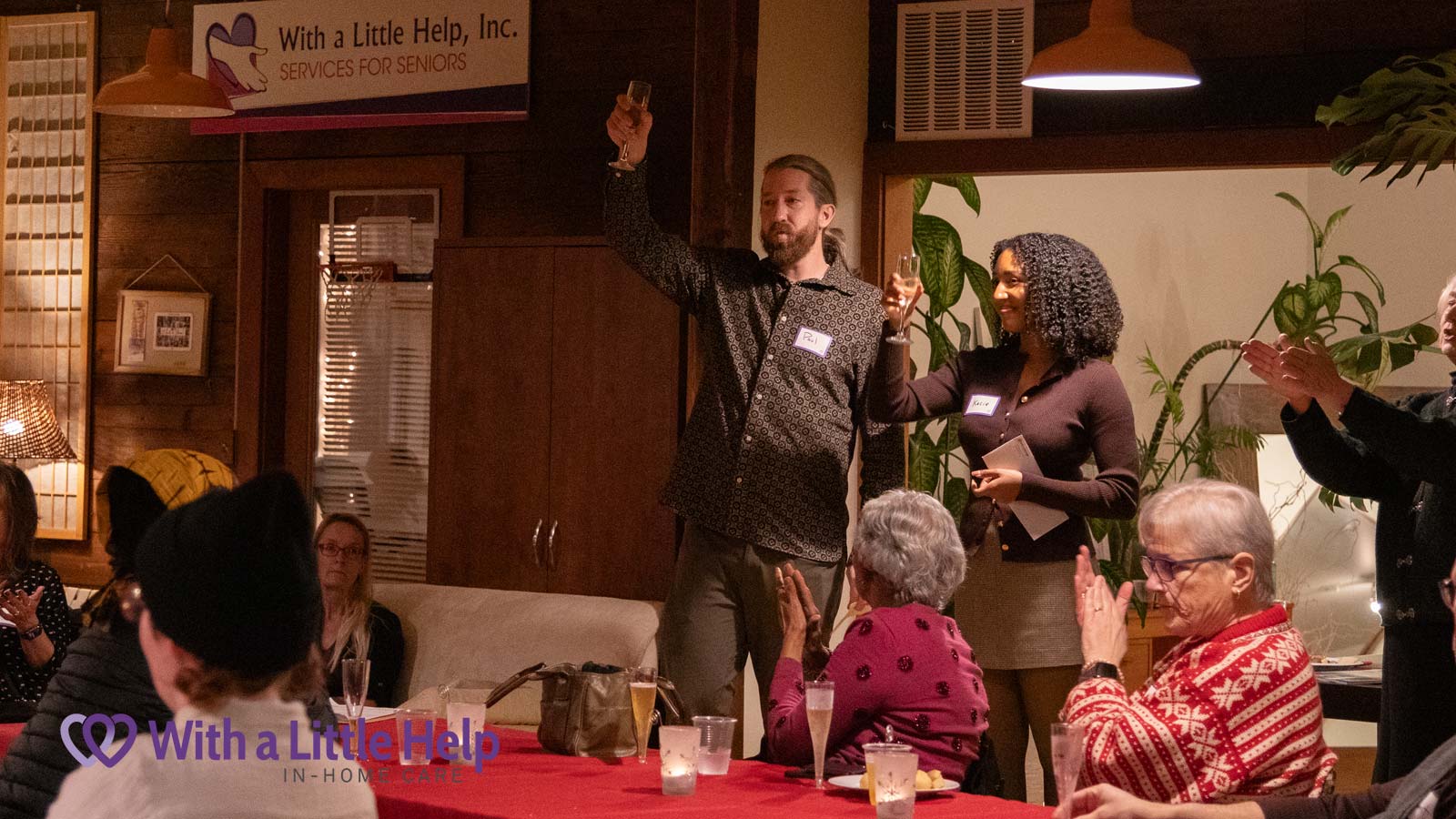
Here’s a toast to 30 years in business and 3 years in a row of Best in the PNW by The Seattle Times!
Winning The Seattle Times’ Best in the PNW for in-home care for the third year in a row is not about trophies. It is about consistency. Families across Seattle keep choosing local, relationship-driven support because it solves real problems that the big national chains cannot.
Many chains operate on volume. They expect churn. If a client leaves because the fit is wrong or the support feels impersonal, they simply replace that client with the next lead on the list. That approach creates short relationships, rushed adaptation, and very little loyalty.
With a Little Help works differently. They expect to stay with a family for a long time. They plan for care to evolve and deepen. They build a relationship that carries a client from the first few hours of support with ADLs all the way to overnight or 24-hour care, advanced dementia support, and even hospice support. Continuity is the point. Trust grows because the caregivers and the office team stay anchored in the same community as the people they support.
Local Ownership Changes Everything
National chains make decisions from corporate offices in other states. With a Little Help makes decisions from Seattle. Paul and Kacie work directly with families, caregivers, and partner clinicians. Paul’s mother also works in the business. Thirty years of local involvement creates a different kind of responsibility. When the owners live in the same neighborhoods as the clients, accountability becomes personal.
Paul put it this way: “Much of our business comes from word-of-mouth referrals through relationships we have built over the years. We serve families we might run into at the grocery store. You cannot hide behind a corporate structure when your work is part of the community you live in. You show up because you know people are counting on you.”
Kacie added: “Clients stay with us because their needs change and we adjust with them. We know their routines, their goals. We work alongside other complimentary service providers and can often help our clients remain in their homes their entire lives. We partner with families to help care for their loved ones for the long haul.”
Relationship-Based Care Outperforms Volume-Based Care
Consistency is not a slogan. It is a staffing philosophy. The national model assigns whoever is available. The local model assigns the right person and keeps that match as stable as possible. Caregivers build familiarity with routines, mobility needs, communication styles, and family dynamics. That familiarity is what reduces anxiety, prevents crises, and makes support effective.
Seattle area families choose this model because the results are obvious. When a caregiver knows a client well, they can spot changes early. They can encourage independence instead of taking tasks away. They can support memory loss with cues and routines that feel natural. None of this works as well in the higher-turnover, volume-focused environment.
Long-Term Clients, Not Disposable Cases
The biggest difference is how the relationship progresses over time. Some families begin with just a few hours a week of support. Over months or years, those hours may grow into help with dressing, bathing, meal preparation, medication reminders, and mobility. As needs increase, With a Little Help continues the support instead of handing the family off to someone else (unless safety issues in the home prevent this).
When a family reaches the stage where overnight or 24-hour care becomes necessary, the agency already knows the history. The caregivers already know the client. When hospice support is needed, the same familiar team typically stays involved and works alongside the hospice company you choose (we can recommend and help families navigate the hospice process). That continuity can be rare in modern home care. It avoids the emotional shock that comes when a new organization steps in at the most vulnerable time.
A Culture Built on People, Not Pipelines
Corporate agencies often build systems around lead acquisition. Local agencies build systems around human relationships. With a Little Help invests heavily in caregiver recruitment, training, and retention because stability is the backbone of trust. Their office team is experienced, long tenured, and deeply involved in the day-to-day needs of clients and families.
Paul explained it simply: “Supporting people during this stage of their lives can be challenging and at times complex. Care is best delivered when we can build collaborative relationships with the families (and other responsible parties) of the clients we serve to ensure their loved ones needs are met. Building positive relationships is something we take pride in and strive for. Our growth comes from reputation, not churn.”

Local ownership makes it possible. Thirty years of Seattle involvement makes it credible. Consistent caregivers make it sustainable.
Families want support from people who listen, learn, and stay.
If You Want a Different Kind of Care Experience
If your family is navigating the early stages of needing help at home, you do not have to figure it out alone. Start with a conversation. Learn how long-term support can grow with your loved one instead of shifting them from one provider to another.
With a Little Help has spent decades proving that stability works. We’ve got three Best in the PNW awards to prove it. Reach out for a free consultation and see how relationship-based care changes the entire experience for both seniors and their families.
