

06 Feb How Do You Know a Senior Caregiver Is a Good Fit?
Choosing a senior caregiver involves more than checking credentials. Skill matters, of course. However, day-to-day success depends just as much on personality, communication, and trust. After all, this person becomes part of your loved one’s daily life.
So how can families tell when the match truly works? There are clear signs.
The Relationship Feels Comfortable, Not Forced
Natural Conversation Happens
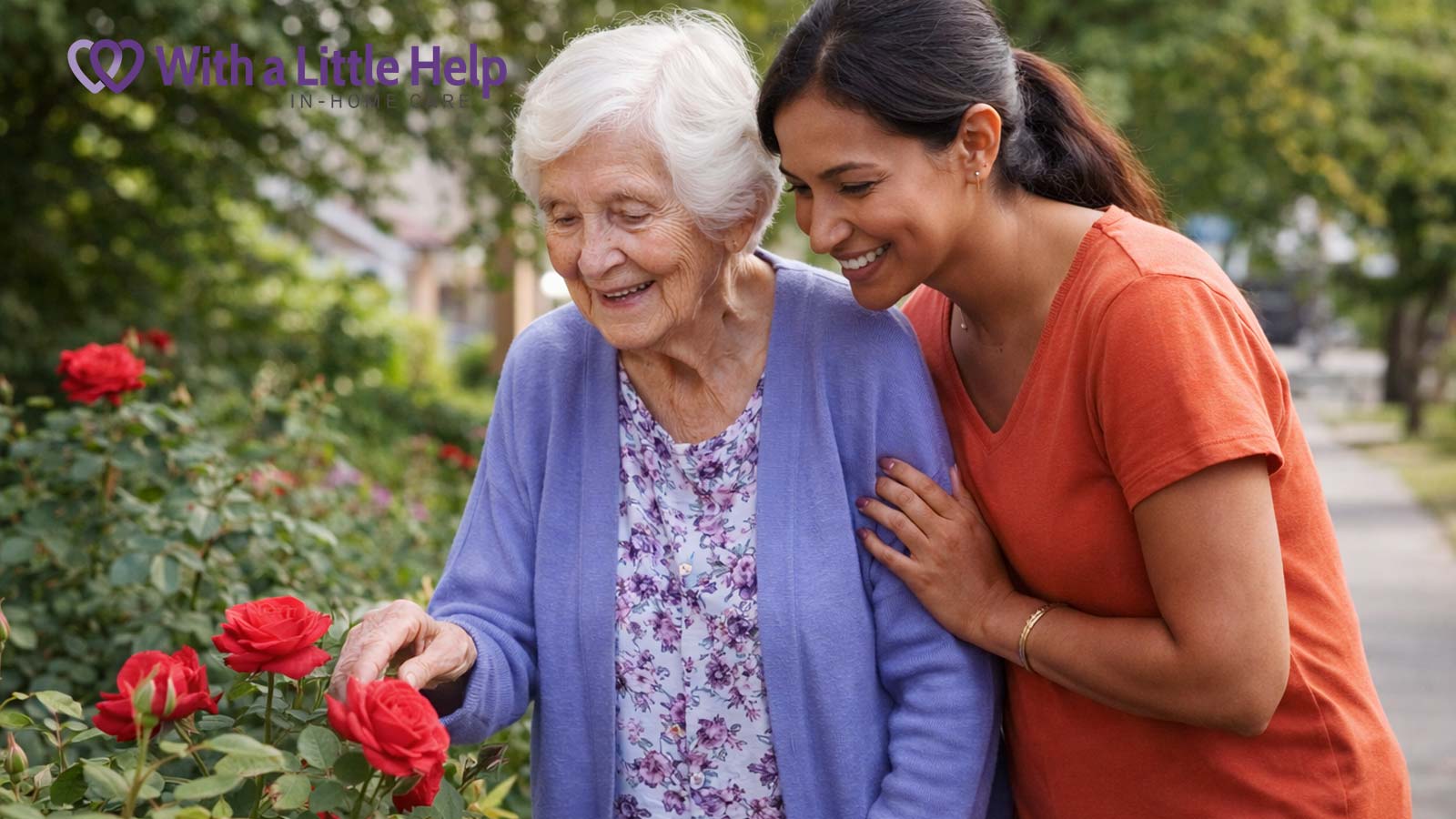
First, pay attention to how conversations flow. Does your loved one talk freely? Do they laugh together? Comfort shows up quickly in small interactions.
A good senior caregiver listens. They ask questions. They remember details about hobbies, preferences, and routines. As a result, visits feel like companionship, not an obligation.
Body Language Tells the Story
Next, observe nonverbal cues. Does your loved one seem relaxed? Do they make eye contact? Comfort often appears in posture and facial expression before words confirm it.
When the fit works, tension fades. Familiarity grows.
The Senior Caregiver Respects Independence
They Offer Help Without Taking Over
A strong senior caregiver supports without controlling. Instead of doing everything for the client, they encourage participation.
For example, they might say:
- “Would you like to pick your clothes today?”
- “Should we take a short walk before lunch?”
These small choices protect dignity. Over time, this approach builds confidence rather than dependence.
Routines Stay Personalized
Good care adapts to the person, not the other way around. Meal times, clothing choices, and daily habits stay consistent with your loved one’s preferences. That consistency reinforces identity.
Communication Feels Clear and Reassuring
Updates Come Naturally
Families should never feel out of the loop. A quality senior caregiver shares observations clearly and promptly. If something changes, you hear about it.
At the same time, communication remains calm and practical, not alarming. This balance helps families feel informed without feeling overwhelmed.
Questions Are Welcomed
The right caregiver encourages dialogue. They answer questions openly and adjust based on feedback. Collaboration becomes part of the relationship.
Reliability Shows Up Every Day
They Arrive On Time and Prepared
Dependability builds trust. A strong senior caregiver shows up consistently and stays organized. Over time, this predictability reduces stress for everyone.
They Notice Small Changes
Beyond reliability, attentiveness matters. A good caregiver spots early signs of change, whether physical, emotional, or behavioral. Then they communicate those observations right away.
That awareness prevents small concerns from becoming larger problems.
Emotional Support Comes Naturally
They Bring Calm Energy
Caregiving can feel stressful. However, the right senior caregiver brings a steady, reassuring presence. Their tone stays patient. Their reactions stay measured.
As a result, difficult moments feel manageable.
They Encourage Engagement
Good caregivers look for ways to keep seniors involved. They suggest light activities, conversation topics, or shared routines. This engagement supports mental and emotional well-being.
Your Loved One Expresses Trust
Sometimes the clearest signal comes directly from your loved one. They might say:
- “I like having them here.”
- “We get along well.”
- “They understand me.”
Even if words stay limited, cooperation increases. Resistance decreases. Comfort grows.
How Families Can Confirm the Fit
To evaluate the match, consider these questions:
- Does your loved one seem more relaxed over time?
- Does the caregiver remember preference?
- Do you feel confident leaving your loved one in their care?
- Does communication feel open and consistent?
- Does the caregiver adapt as needs change?
If you answer yes to most of these, the relationship likely works.
Why the Right Fit Matters
A senior caregiver does more than complete tasks. They become part of daily life. When the match works, care feels supportive rather than intrusive. Confidence grows. Stress decreases.
That’s when help truly becomes partnership.
Finding the Right Match Takes Thought
Not every match clicks instantly. Sometimes families need to adjust. However, when trust builds, communication flows, and comfort increases, you know the fit works.
At With a Little Help, matching the right senior caregiver to each client remains a priority. Skill matters, but relationships matter more. Contact us today, and we’ll walk you through the process.
