

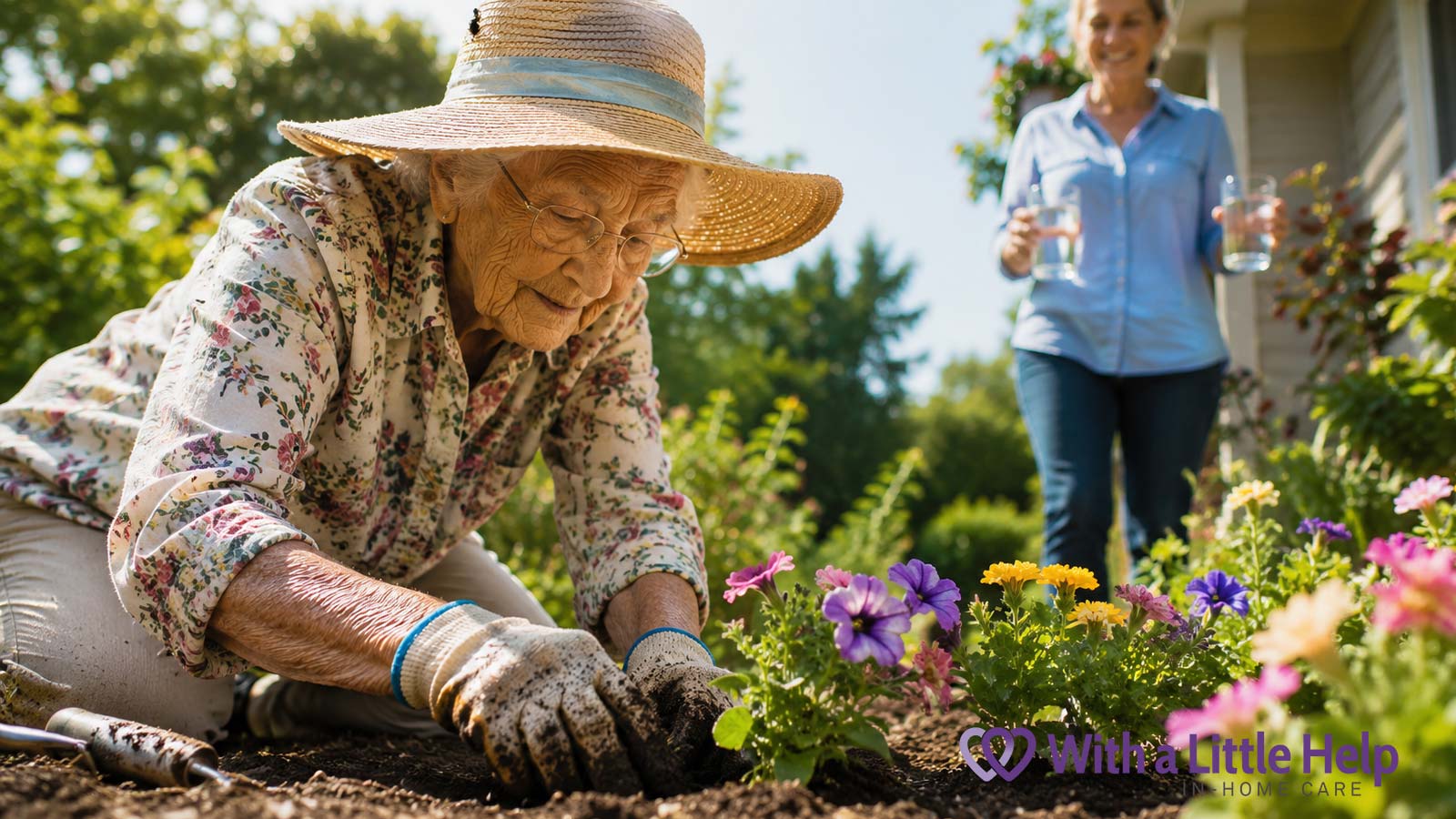
18 Jun How Seniors Can Stay Safe While Aging at Home
Most seniors want to remain in their own homes for as long as possible. It is easy to understand why. Home provides familiarity, independence, comfort, and connection to routines built over many years. For many older adults, aging at home is not simply a preference. It is an important part of maintaining quality of life.
At the same time, families often have a lingering concern:
“Can Mom still live safely on her own?”
That question becomes more common as mobility changes, health conditions develop, and daily tasks become more difficult. The good news is that aging at home can remain both safe and practical for many seniors when the right support systems are in place.
Why Aging at Home Appeals to So Many Seniors
Moving is difficult at any age.
For seniors, leaving a longtime home can mean giving up familiar surroundings, neighbors, routines, and a sense of independence. Many older adults feel more confident and comfortable in a space they know well.
Remaining at home also allows seniors to:
- maintain established routines
- stay connected to their communities
- keep beloved pets
- enjoy familiar surroundings
- maintain greater independence
Because of these benefits, many families look for ways to make aging at home work safely for as long as possible.
The Biggest Safety Risks Seniors Face at Home
Understanding the risks is the first step toward reducing them.
Falls
Falls remain one of the most common reasons seniors lose independence.
Loose rugs, poor lighting, stairs, cluttered walkways, and mobility challenges can all increase fall risk. Even a relatively minor fall can lead to injuries that significantly affect confidence and mobility.
Medication Mistakes
Managing multiple prescriptions becomes increasingly complex over time.
Missed doses, double doses, and confusion about medication schedules can create serious health concerns. Families are often surprised by how quickly medication management becomes challenging.
Isolation and Loneliness
Safety involves more than physical health.
Many seniors spend increasing amounts of time alone as driving becomes more difficult and social circles become smaller. Isolation can affect emotional well-being, activity levels, and overall quality of life.
Nutrition Challenges
Cooking and grocery shopping may gradually become harder.
Some seniors begin skipping meals, relying on convenience foods, or eating less than they should. These changes can contribute to weakness, weight loss, and other health concerns.
Transportation Difficulties
Driving often becomes a sensitive topic for families.
As reaction times slow or confidence behind the wheel declines, transportation challenges can limit access to appointments, errands, and social activities.
What Families Often Worry About
Many adult children find themselves becoming unofficial safety monitors.
They worry about:
- falls
- medications
- nutrition
- missed appointments
- emergencies
- loneliness
Often, the concern itself becomes exhausting. Family members may find themselves calling multiple times per day, making frequent visits, or constantly wondering if everything is okay.
This is where proactive planning can make a tremendous difference.
Home Modifications Can Improve Safety
Small changes often have a surprisingly large impact.
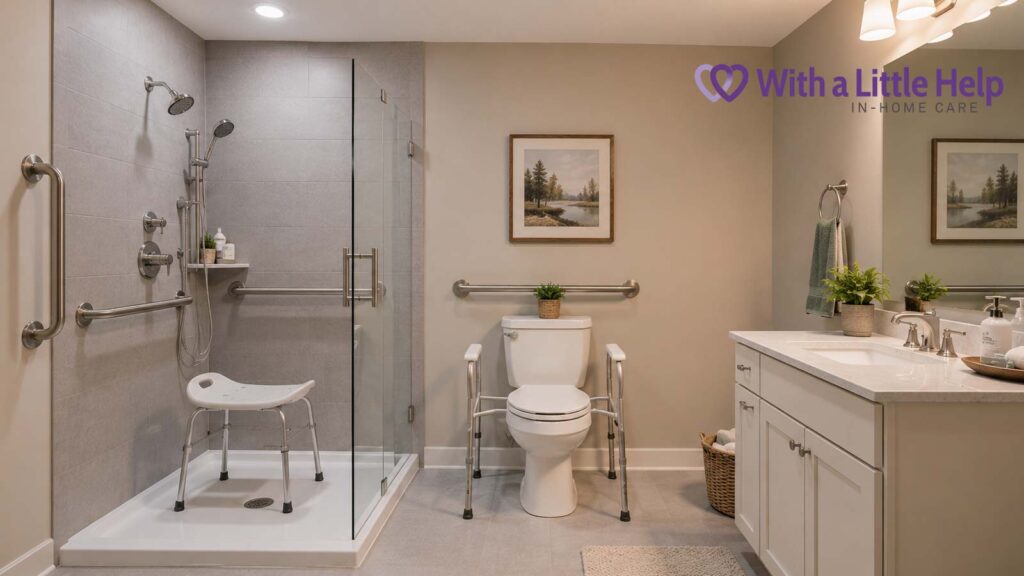
Some of the most effective home safety improvements for seniors include:
- grab bars in bathrooms
- improved lighting
- removing tripping hazards
- handrails on stairs
- shower benches
- raised toilet seats
- improved accessibility throughout the home
Many families assume major renovations are necessary. In reality, simple modifications often provide meaningful safety improvements.
Daily Routines Matter More Than Many People Realize
One of the biggest predictors of successful aging at home is consistency.
Regular routines help seniors maintain:
- medication schedules
- meal patterns
- activity levels
- social engagement
- personal hygiene
When routines begin to break down, safety concerns often follow.
This is why many families focus on creating support systems that reinforce healthy daily habits rather than waiting for a crisis to occur.
Companion Care Helps Seniors Stay Engaged
Safety is not only about preventing accidents.
Companion care helps seniors remain active, connected, and engaged with daily life. A caregiver may assist with errands, transportation, meal preparation, walks, hobbies, or social outings.
These activities help reduce isolation while providing an extra layer of observation and support.
Sometimes a caregiver is the first person to notice subtle changes that family members might miss.
Personal Care Support Can Reduce Risk
As mobility changes, certain tasks become more difficult.
Personal care support may include assistance with:
- bathing
- dressing
- grooming
- mobility
- transferring safely
Many seniors need only occasional help in these areas. Receiving support early can often prevent injuries and maintain independence longer.
Families Do Not Have to Do Everything Alone
Many family caregivers feel responsible for managing every aspect of a loved one’s care.
Over time, that approach can become difficult to sustain.
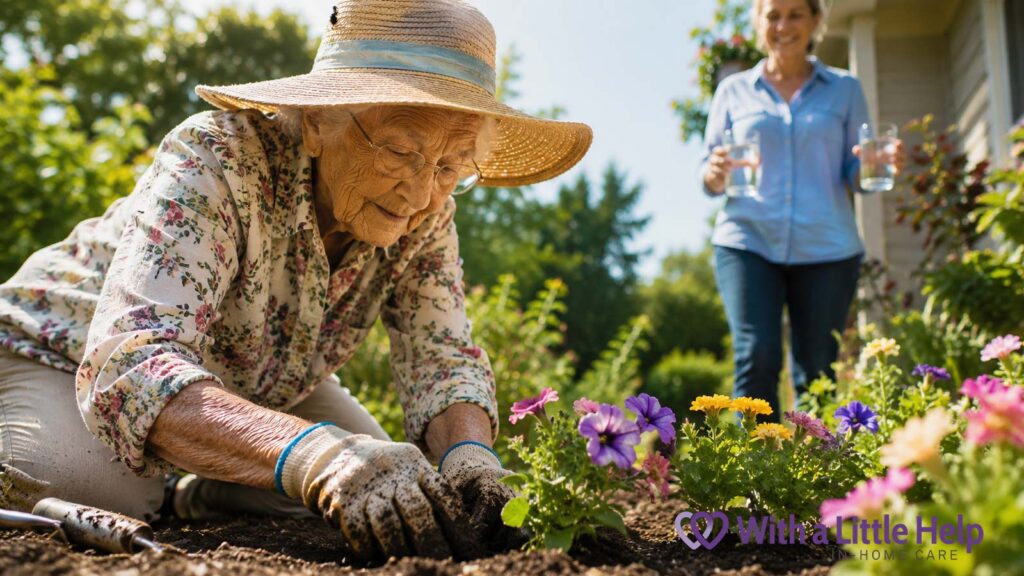
Professional caregiving support allows families to remain involved without carrying the entire burden themselves. In many cases, adding even a few visits each week helps everyone feel more confident and less stressed.
When Seniors Need More Support to Age Safely at Home
Aging at home remains a realistic option for many seniors, even as their needs become more complex.
In fact, some of the situations that cause families the greatest concern can often be managed successfully with the right level of support and planning.
Warning signs that additional care may be needed include:
- repeated falls or increasing fall risk
- wandering or confusion
- significant memory challenges
- increasing mobility limitations
- difficulty performing activities of daily living independently
- growing caregiver stress or burnout
When these challenges arise, it does not necessarily mean a senior must leave home. Many families respond by increasing support through longer caregiver visits, additional care days, overnight assistance, or even 24-hour care when appropriate.
The goal is not simply to keep a senior at home. It is to ensure they can continue living at home safely, comfortably, and with the support they need.
With the right combination of family involvement, professional caregiving, and thoughtful planning, many seniors are able to age safely at home for far longer than their families initially expect.
FAQ About Aging at Home Safely
Can seniors safely live alone?
Many seniors live safely alone for years. The key is having appropriate support, routines, and safety measures in place.
What is the biggest safety risk for seniors at home?
Falls are one of the most common concerns, but medication management, isolation, and nutrition challenges also create significant risks.
How can families make a home safer for seniors?
Removing tripping hazards, improving lighting, installing grab bars, and adding professional support when needed can significantly improve safety.
Does aging at home always require a caregiver?
Not necessarily. Some seniors need only occasional assistance, while others benefit from more regular support.
When should families consider professional help?
It is often better to start support before a crisis occurs. Many families begin with a few hours of assistance each week and adjust care over time.
Safety and Independence Can Work Together
Families sometimes assume they must choose between safety and independence.
In reality, the right support often helps seniors maintain both.
With thoughtful planning, appropriate home modifications, strong routines, and the right level of assistance, many older adults continue living safely and comfortably in the homes they love.
At With a Little Help, we help seniors and families throughout Seattle navigate the challenges of aging at home with practical support tailored to their individual needs. Contact us today for a free evaluation.
