

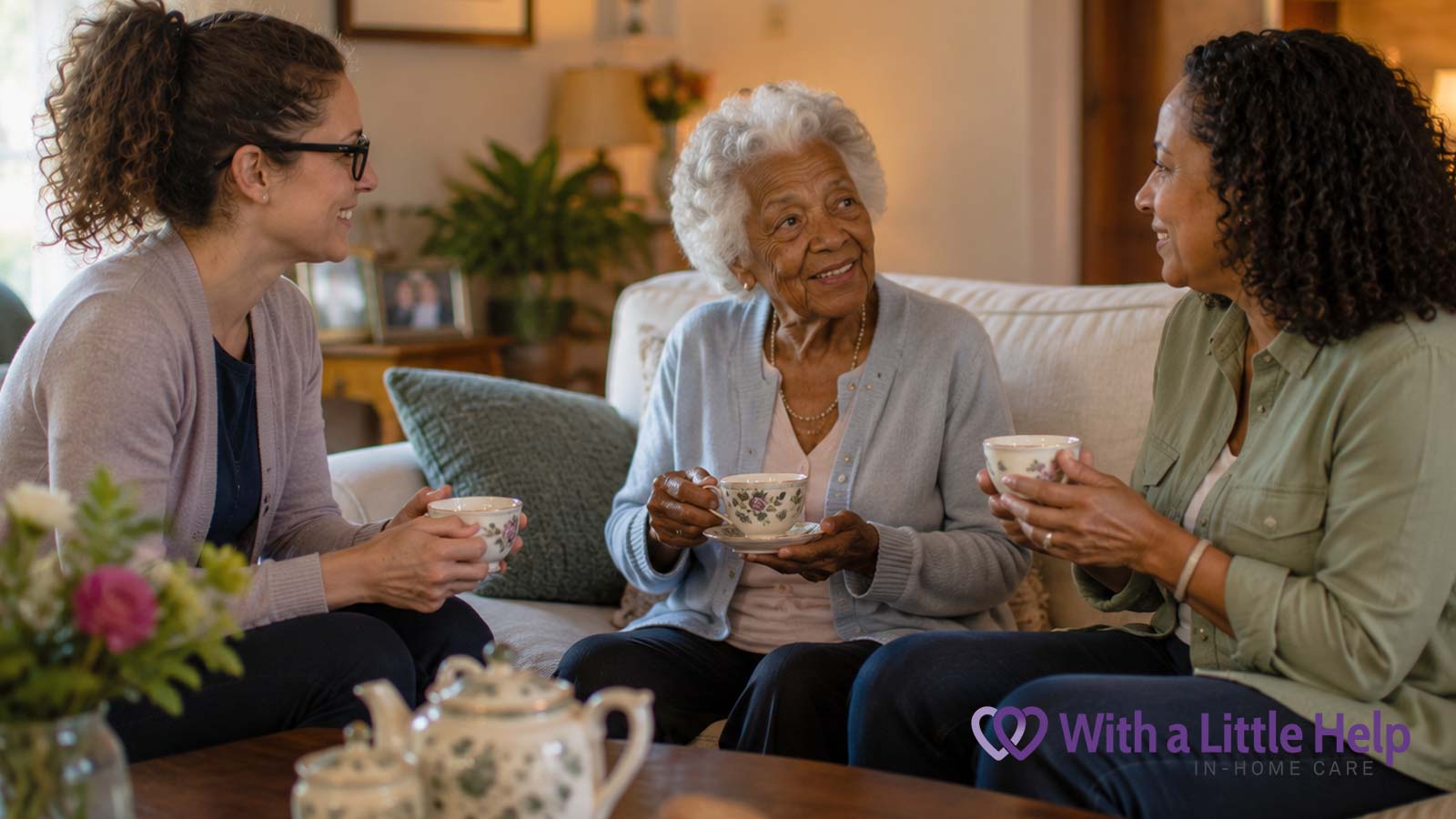
23 Jul Communication Between Caregivers and Families Matters
Margaret’s daughter noticed something different during their Sunday phone call. Her mother sounded tired. She mentioned she hadn’t felt like cooking much that week. Nothing alarming. Just… different.
When the caregiver arrived the next morning, Margaret mentioned she hadn’t been sleeping well and wasn’t enjoying her usual breakfast. The caregiver made a note of the change and shared it with the care coordinator, who updated Margaret’s daughter.
A few days later, Margaret’s physician adjusted one of her medications. Within a week, she was feeling like herself again.
No emergency. No hospitalization. No dramatic rescue.
Just good communication.
Stories like this play out every day. Small changes often tell us more than major events, but only if the right people are talking to one another.
Good Care Depends on Good Communication
Caregiving is rarely a one-person job.
A senior may have family members, professional caregivers, physicians, neighbors, and friends who all play different roles. Each person sees a different part of the picture.
When those observations are shared, everyone makes better decisions.
When communication breaks down, important details can be missed.
Small Changes Matter
One of the advantages of regular caregiving visits is consistency.
A caregiver who sees the same senior regularly notices changes that others might overlook.
Perhaps a favorite meal is left untouched. A normally outgoing person becomes quieter. Walking to the mailbox suddenly takes a little longer.
None of these changes necessarily signal a serious problem on their own. Together, however, they may suggest that something deserves closer attention.
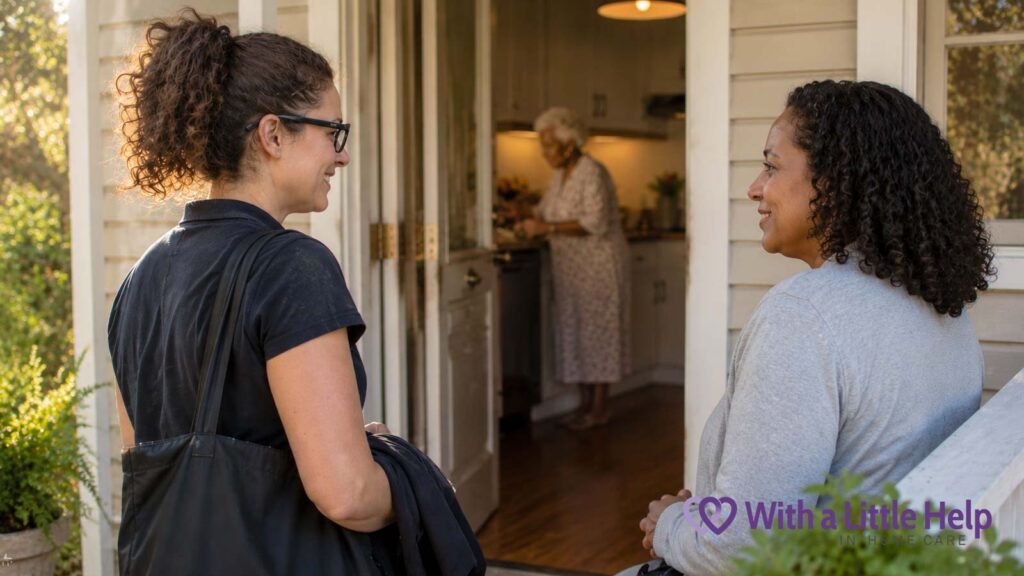
Families Cannot Be There Every Day
Many adult children would love to check in every afternoon.
Life usually gets in the way.
Work, children, travel, and other responsibilities make daily visits difficult, even for families who live nearby.
Regular communication helps bridge that gap. Families gain confidence knowing someone is paying attention and keeping them informed when something changes.
Communication Builds Trust
Trust is earned through consistency.
Families want to know:
- How is Mom doing today?
- Has anything changed?
- Is Dad eating well?
- Is anything becoming more difficult?
Simple updates can answer those questions before worry begins to grow.
Good communication helps families feel connected even when they cannot be physically present.
Care Plans Work Better When Everyone Shares Information
A personalized care plan should never sit on a shelf collecting dust.
It should evolve as circumstances change.
Perhaps a senior begins sleeping later. Maybe arthritis makes stairs more difficult. Perhaps they become interested in attending a weekly social activity.
The more information caregivers and families share, the easier it is to adjust the care plan so it continues meeting the senior’s needs.
Communication Is About More Than Problems
Many people think communication only happens when something goes wrong.
In reality, the best updates often celebrate what is going well.
A caregiver might mention that a senior:
- tried a new recipe
- enjoyed a walk around the neighborhood
- spent extra time in the garden
- laughed through an afternoon card game
- seemed especially energetic that day
Sharing these moments helps families feel connected to their loved one’s daily life, not just their challenges.
Respecting Privacy While Keeping Families Informed
Every family is different.
Some seniors want adult children involved in every decision. Others prefer greater independence.
A professional care team balances open communication with respect for the senior’s privacy, dignity, and wishes.
Clear expectations from the beginning help everyone understand how information will be shared.
Great Communication Helps Everyone
When communication is working well:
- seniors feel heard
- families feel informed
- caregivers feel supported
- care coordinators can make thoughtful adjustments
- small concerns are addressed before they become larger ones
Everyone benefits.
FAQ About Communication Between Caregivers and Families
How often should families receive updates?
Every situation is different. The frequency of communication depends on the senior’s needs, family preferences, and any changes that arise.
What kinds of changes should caregivers report?
Anything that represents a meaningful change in routine, health, mood, mobility, appetite, or overall well-being should be communicated appropriately.
Can family members share observations too?
Absolutely. Family members often notice changes during visits or phone calls that help caregivers better understand the senior’s needs.
Does good communication change the care plan?
It can. Ongoing communication helps ensure care continues to reflect the senior’s current needs rather than assumptions made months earlier.
Why does communication matter so much?
Because good care depends on good information. The more everyone works together, the better the support a senior receives.
Staying Connected Is Part of Great Care
The best caregivers do more than help with daily tasks.
They notice.
They listen.
They ask questions.
They share important observations with the people who need to know.
That steady flow of communication helps families feel connected, allows care plans to evolve naturally, and ensures seniors receive support that reflects what is happening in their lives today—not what was happening six months ago.
At With a Little Help, communication is an essential part of every personalized care plan, helping families stay informed while ensuring each client receives thoughtful, responsive care as their needs change. Contact us today and start communicating with caregivers who care.
