

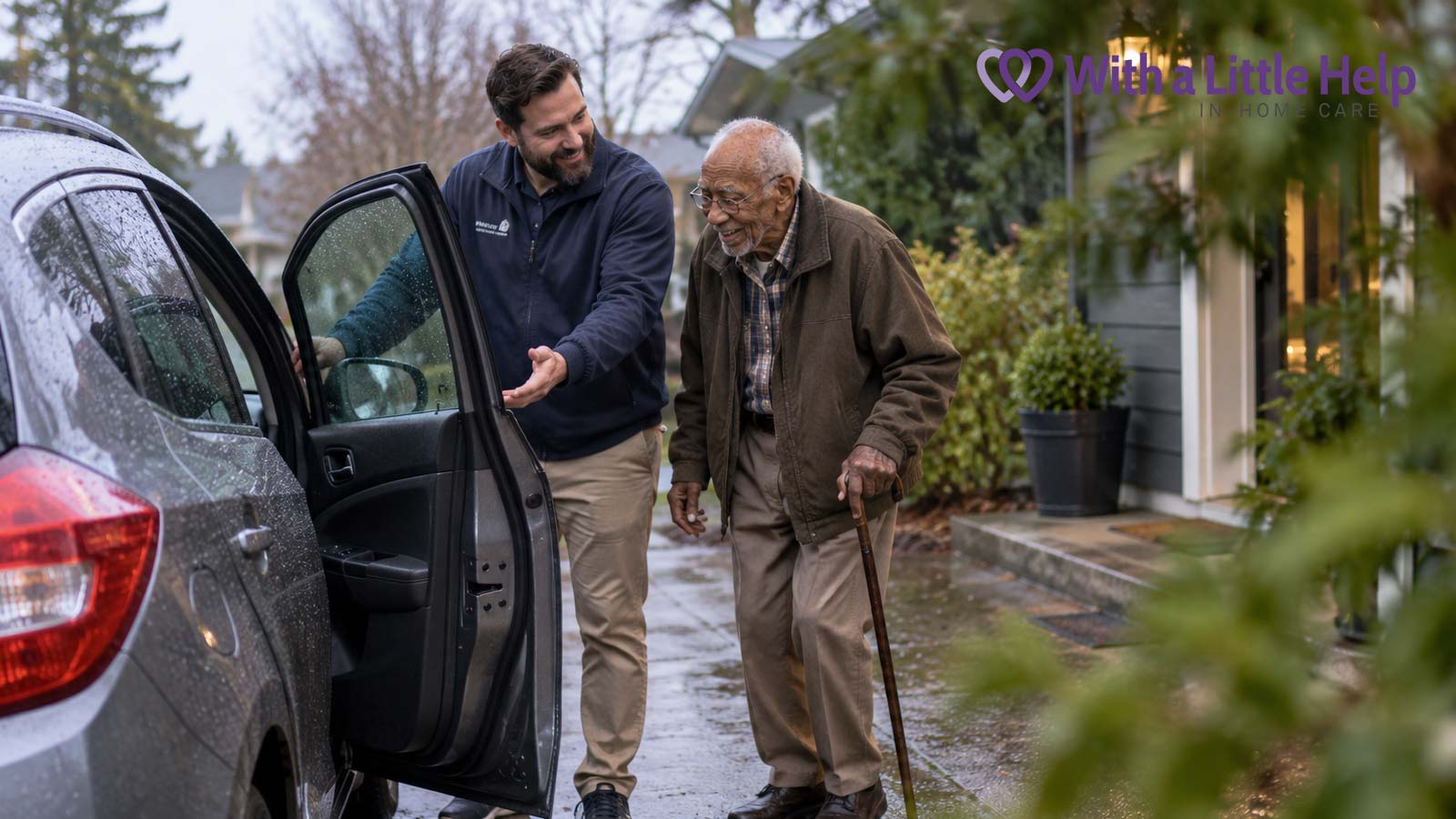
08 Sep Will My Loved One Have the Same Caregiver?
For many families, choosing in-home care raises a concern that has very little to do with the actual list of services.
Who is going to show up at the door?
Inviting someone into your home is personal. That person may help with meals, transportation, bathing, dressing, mobility, or other parts of everyday life. They may spend hours at a time with your parent and become familiar with routines that even close friends never see.
Naturally, families want to know whether their loved one will have the same caregiver or see a revolving cast of unfamiliar faces.
The short answer is that caregiver consistency is an important part of good in-home care, but having exactly one caregiver for every visit isn’t always realistic or even desirable.
Why Caregiver Consistency Is Important
A familiar senior caregiver doesn’t have to start from zero every time they arrive.
They learn that Dad likes his coffee black but wants a little milk in his oatmeal. Or Mom prefers to shower before breakfast. They recognize which chair is easiest for her to get out of and that she always wants her blue cardigan when she goes outside.
Those details aren’t trivial. They are part of providing care that fits the person rather than simply completing a list of tasks.
Consistency can also make receiving help feel more natural.
Personal care is a good example. Bathing, dressing, and toileting assistance require considerable trust. Most of us wouldn’t want to explain our preferences to a stranger every few days. Seniors shouldn’t have to either.
Does In-Home Care Mean One Caregiver Every Time?
Not necessarily.
The amount of caregiver consistency a family can expect depends partly on the care schedule.
Someone receiving a few regular visits each week may be able to see the same caregiver for most or all of those shifts. A senior receiving extensive daily, overnight, or around-the-clock care will naturally need more than one caregiver.
There are practical realities too. Caregivers have days off. They take vacations. They get sick. Schedules change.
The better question isn’t necessarily:
Will we have only one caregiver?
It’s:
Will my loved one have a consistent group of caregivers they know and trust?
That is a much more useful standard for long-term care.
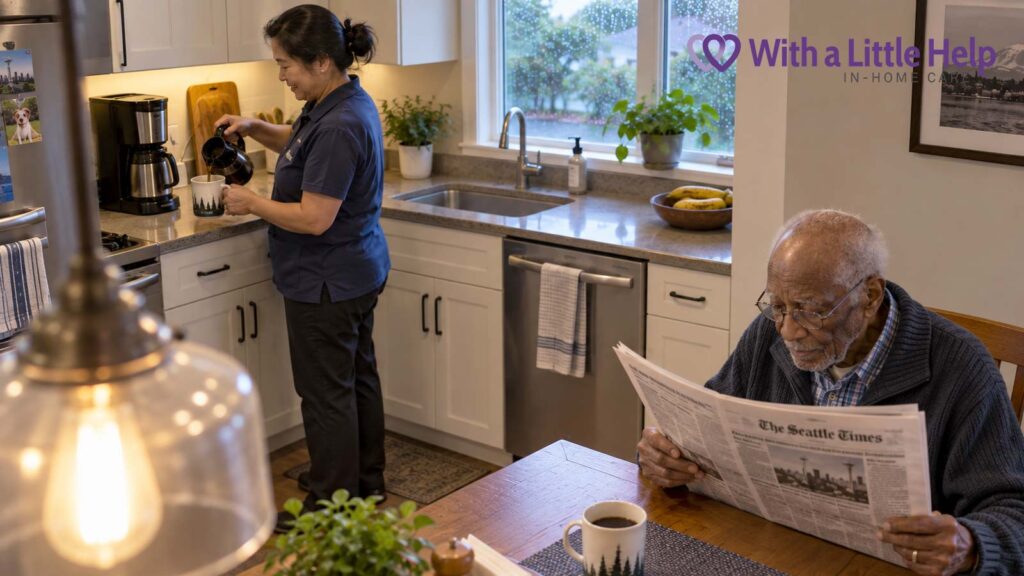
What If My Parent Doesn’t Like the Caregiver?
Sometimes two perfectly nice people simply don’t click.
That doesn’t mean anyone has done something wrong.
A caregiver may be competent, dependable, and kind but have a personality that doesn’t work particularly well with your parent. Maybe Mom loves conversation and her caregiver is naturally quiet. Perhaps Dad values independence and feels that someone is hovering too much. Humor, energy level, communication style, interests, and temperament can all affect the relationship.
Families should pay attention to that.
In-home care happens in someone’s personal space. A caregiver isn’t serving a customer across a counter for five minutes. The relationship can involve many hours together every week.
A good fit makes those hours considerably better.
What Makes a Good Caregiver Match?
Care needs obviously come first. A caregiver needs to be able to provide the kind of assistance included in the senior’s personalized care plan.
But compatibility goes beyond tasks.
Some seniors want company. They want someone who will talk during lunch, hear their stories, play cards, or join them on an outing.
Others value quiet. They may enjoy having another person in the house without wanting constant conversation.
One person may appreciate a caregiver with plenty of energy who encourages activity. Someone else may respond better to a calmer presence.
Even small shared interests can help a relationship develop. Gardening, cooking, baseball, music, pets, books, or a favorite Seattle neighborhood can give two people an easy place to start.
The objective isn’t to manufacture a friendship. It’s to find someone your loved one can become comfortable having in their home.
Caregiver Relationships Take Time
Families sometimes expect to know immediately whether a caregiver is the right fit.
Sometimes you do.
Other relationships develop more gradually.
Remember that the senior is adjusting too. They may have spent decades handling their own life without assistance. Now someone new is entering their home and helping with things they once did independently.
A little awkwardness during the first few visits doesn’t automatically indicate a bad match.
Watch what happens as familiarity develops. Does your loved one seem more comfortable? Are routines becoming easier? Does the caregiver remember preferences? Does conversation become more natural?
Those changes tell you much more than whether everyone instantly became best friends on Tuesday morning.

Consistency Matters Even More With Memory Loss
For seniors with dementia or other forms of memory loss, familiar people and predictable routines can be especially helpful.
A new face may create confusion or anxiety. A familiar caregiver can become part of the normal rhythm of the day.
They also develop valuable knowledge about the individual. They may recognize that a particular behavior usually means the senior is tired, or which explanations tend to reassure them. And they understand the normal morning routine and may notice when something seems different.
That familiarity develops through repeated time together.
When more than one caregiver is needed, keeping the care team reasonably consistent can preserve much of that benefit while still providing reliable coverage.
What Happens When the Regular Caregiver Is Unavailable?
This is worth thinking about before it happens.
A family shouldn’t have to choose between accepting a total stranger and having no care at all every time a regular caregiver takes a day off.
Having another caregiver who has already spent time with the senior can make coverage much easier. The person receiving care recognizes them. The substitute already knows something about the home, the routine, and the care plan.
This is another reason a small, familiar care team can sometimes be better than insisting on one caregiver exclusively.
Consistency shouldn’t make care fragile.
Your Loved One Should Have a Voice
Family members understandably pay close attention to whether a caregiver seems responsible and capable.
Don’t forget to ask the person receiving the care.
How do they feel when the caregiver arrives? Do they feel respected? Are they comfortable asking for what they need? Does the caregiver listen? Do they enjoy spending time together?
An adult child may think a caregiver is fantastic while Mom quietly finds her exhausting.
Mom’s opinion counts.
That doesn’t mean every minor complaint requires an immediate change. But patterns deserve attention, particularly when discomfort is affecting the senior’s willingness to accept care.
Familiar Faces Make Care Feel More Personal
The best in-home care shouldn’t feel like a different stranger has been dispatched to complete a checklist every day.
Over time, caregivers learn the rhythms of a household. They know the routines, preferences, stories, quirks, and little things that make someone feel at home in their own home.
Sometimes that relationship develops with one primary caregiver. For seniors who need more hours of support, it may mean a small group of familiar caregivers.
Either way, consistency and compatibility are worth asking about when choosing in-home care.
If you’re considering in-home care for someone you love, contact With a Little Help to talk about their needs, schedule, personality, and the kind of caregiver relationship that would help them feel comfortable at home.
