

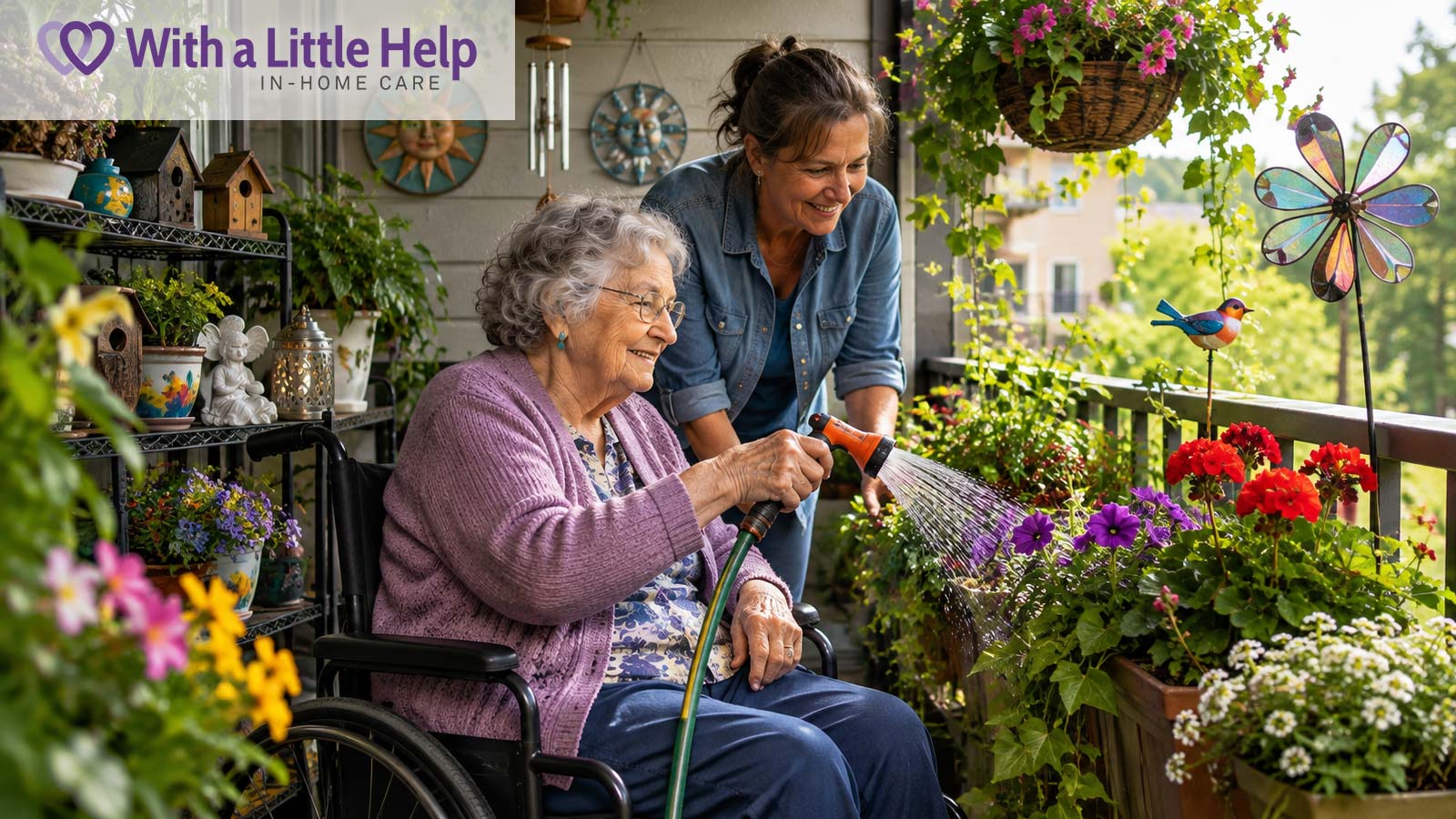
20 Nov In-Home Care for Chronic Illness: How the Right Support Makes Daily Life Easier
Living with a chronic illness often means learning to do familiar things differently. Tasks that once required little thought, like getting dressed, preparing breakfast, or running errands, can become difficult, exhausting, or even unsafe.
For someone living with Parkinson’s disease, arthritis, multiple sclerosis, diabetes, or another long-term health condition, these challenges can change from day to day. Some mornings are relatively easy. Others require considerably more effort.
Family members often step in to help, but they may have jobs, children, and responsibilities of their own. And while medical treatment is an important part of managing chronic conditions, it doesn’t necessarily address the everyday challenges of living at home.
That’s where professional in-home care can make a difference.
Non-medical care for chronic illness focuses on helping people manage daily activities, maintain their independence, and continue enjoying life in familiar surroundings. With the right assistance, many adults living with chronic conditions can remain comfortably at home while reducing the demands placed on family members.
What Does Care for Chronic Illness Involve?
A chronic illness is a health condition that persists over time, often requiring ongoing treatment, monitoring, or lifestyle adjustments. Some conditions progress gradually, while others involve periods of improvement and worsening symptoms.
Examples include:
- Parkinson’s disease: Movement difficulties, stiffness, tremors, and changes in balance can complicate daily activities.
- Multiple sclerosis (MS): Fatigue, weakness, coordination difficulties, and fluctuating symptoms may make routines unpredictable.
- Arthritis: Joint pain, stiffness, and reduced mobility can make dressing, bathing, and household chores difficult.
- Diabetes: Daily routines involving meals, medication schedules, and medical appointments may require additional organization and support.
- Chronic obstructive pulmonary disease (COPD): Breathlessness and fatigue can make physically demanding activities exhausting.
- Heart disease and heart failure: Reduced stamina and other symptoms may limit a person’s ability to manage household tasks independently.
- Stroke-related disabilities: Some people experience lasting mobility, communication, or coordination difficulties following a stroke.
Chronic illness isn’t limited to older adults. Younger people living with neurological conditions, autoimmune disorders, or long-term disabilities may also benefit from assistance at home.
The support someone needs depends less on their diagnosis than on how their condition affects everyday life.
A person with arthritis may need help fastening buttons and preparing meals. Someone with MS may be physically independent most days but need additional assistance when fatigue becomes overwhelming. An adult recovering from a stroke may require help with mobility and personal care.
Effective care for chronic illness begins with understanding the individual, their abilities, and the activities they want to continue doing for themselves.
How In-Home Care Makes Daily Life Easier
1. Helping With Personal Care While Preserving Independence
Bathing, dressing, grooming, and using the bathroom are deeply personal activities. When a chronic condition makes them difficult, asking for assistance can feel uncomfortable.
A professional caregiver can provide respectful help with these routines while encouraging the person to remain as independent as possible.
For example, someone with Parkinson’s disease may be able to dress independently but struggle with buttons or shoes. Rather than taking over the entire task, a caregiver can provide assistance where it’s needed and allow additional time for the person to do what they can.
This approach helps preserve dignity and a sense of control over everyday life.
2. Making Meals Less of a Challenge
Preparing a meal involves more physical and mental effort than we sometimes realize. Standing at a counter, chopping ingredients, lifting pans, and cleaning up afterward can be difficult for someone experiencing pain, fatigue, weakness, or limited mobility.
An in-home caregiver can assist with grocery shopping, meal preparation, serving food, and cleaning up.
This can be particularly valuable for people whose symptoms fluctuate. On a good day, someone might enjoy helping prepare dinner. On a difficult day, having a caregiver handle the work can make the difference between eating a proper meal and skipping it altogether.
Caregivers can also follow established dietary preferences and instructions provided by the client, family, or healthcare team. They don’t prescribe therapeutic diets or make independent medical nutrition decisions.
3. Providing Mobility Assistance Around the Home
For people living with arthritis, Parkinson’s disease, MS, or other conditions affecting movement, getting around the house may require extra time and assistance.
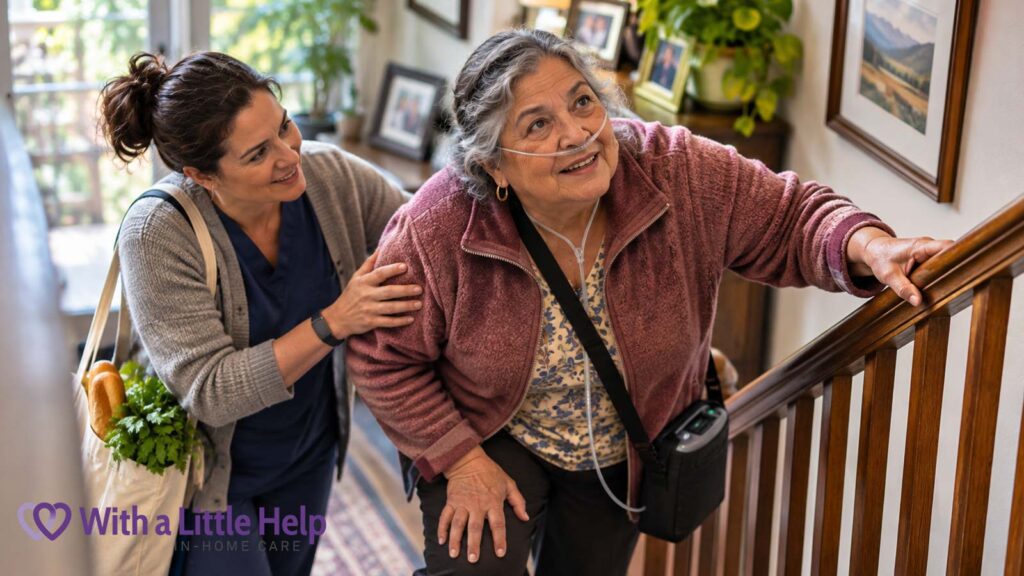
A caregiver can help with everyday mobility, including walking from room to room, getting up from a chair, and navigating familiar areas of the home.
They can also help keep commonly used spaces organized and free from unnecessary clutter.
If a physical therapist has prescribed exercises or specific mobility techniques, a non-medical caregiver may help the person follow those instructions within the caregiver’s training and care plan. The therapist remains responsible for evaluating progress and determining appropriate exercises.
The goal isn’t to eliminate every physical challenge. It’s to provide appropriate assistance so people can continue participating in their normal routines as safely and independently as possible.

4. Reducing the Burden of Household Chores
Laundry, dishes, vacuuming, changing bed linens, and general tidying can consume a surprising amount of energy.
For someone living with a chronic illness, completing these activities of daily living may leave little strength for anything else.
Consider a Seattle resident with COPD who finds climbing stairs and carrying laundry baskets exhausting. Or someone with rheumatoid arthritis whose hands become painful after washing dishes and cleaning the kitchen.
Having a caregiver handle light housekeeping and laundry allows that person to conserve energy for activities they enjoy.
A clean, organized home also makes daily routines more comfortable and manageable.
5. Supporting Consistent Daily Routines
Many chronic conditions are easier to manage when daily routines are predictable.
Regular mealtimes, medication schedules, rest periods, and planned activities can help people organize their days. But symptoms such as fatigue, pain, or cognitive difficulties may make it harder to maintain those routines independently.
An in-home caregiver can provide reminders, help prepare for appointments, and offer practical assistance throughout the day.
For example, a caregiver might remind someone that it’s time to take their prescribed medication, prepare breakfast, and help them get ready for a scheduled appointment.
It’s important to distinguish this from medical care. Non-medical caregivers provide medication reminders, not medication administration or clinical monitoring. Decisions about medications, treatments, and symptom management remain with the person’s healthcare professionals.
6. Helping With Transportation and Appointments
Living with a chronic illness often means attending regular medical appointments, physical therapy sessions, or other healthcare visits.
Driving may become difficult because of fatigue, impaired mobility, vision changes, or medication effects. Public transportation can also be challenging, particularly for someone who uses a walker or has limited stamina.
An in-home caregiver may be able to provide transportation and accompany the person to appointments as part of an ongoing care plan.
That assistance can extend to grocery shopping, picking up household supplies, and other necessary errands.
For someone living in Seattle or the surrounding Puget Sound communities, having dependable help with transportation can make it easier to maintain a normal routine without relying on family members for every trip.
7. Providing Companionship and Emotional Support
Chronic illness can be isolating.
Someone who once enjoyed meeting friends, attending church, visiting local parks, or participating in community activities may gradually withdraw because getting out has become difficult.
Even at home, persistent symptoms can make the days feel long and repetitive.
A caregiver provides more than practical assistance. Conversation, shared activities, and companionship can help someone remain socially engaged.
That might mean working on a puzzle, discussing a favorite book, enjoying music, or accompanying someone on an outing when appropriate.
Professional caregivers aren’t mental health therapists, but regular human interaction and meaningful activities can be valuable parts of everyday well-being.
8. Giving Family Members Dependable Support
When someone develops a chronic illness, family members often become caregivers almost by default.
A spouse begins handling more household responsibilities. An adult daughter stops by every evening to prepare dinner. A son rearranges his work schedule to drive a parent to appointments.
Initially, these arrangements may work well. But chronic conditions can continue for years, and care needs may increase over time.
Professional in-home care allows families to share responsibilities rather than placing the entire burden on one person.
A caregiver might visit several afternoons each week to help with personal care, meals, and household tasks. Family members can then spend their time together without every visit becoming a list of chores.
For families balancing caregiving with work, children, and other commitments, regularly scheduled assistance can make a significant difference.
Why Flexible Care Is Important for Chronic Conditions
One of the challenges of living with a chronic illness is that symptoms aren’t always predictable.
Someone with multiple sclerosis may feel relatively energetic one morning and experience debilitating fatigue the next. Arthritis symptoms may worsen during a flare-up. A person with Parkinson’s disease may find certain activities easier at some times of day than others.
This variability makes a rigid, one-size-fits-all approach to caregiving impractical.
A personalized in-home care plan considers the individual’s abilities, preferences, routines, and changing needs.
Some people need assistance primarily with physically demanding chores. Others require regular personal care and mobility support. A person whose condition progresses may eventually benefit from more extensive assistance, including overnight or live-in care.
Caregivers can also observe and communicate changes they notice during normal activities, such as increasing difficulty walking, unusual fatigue, or changes in appetite. They don’t diagnose the cause of those changes, but they can share observations with family members or appropriate healthcare professionals according to the care plan.
Regular communication helps families determine whether the current level of support remains appropriate.
Medical Home Health Care vs. Non-Medical In-Home Care
Families researching care for chronic illness sometimes encounter two similar-sounding services: home health care and non-medical in-home care.
Both can be valuable, but they serve different purposes.
Home health is provided by licensed RNs, PTs, and/or OTs and may include wound care, Physical Therapy, Occupational Therapy, or other clinical services. These are generally prescribed by your medical care team after a hospitalization or other qualifying event.
Non-medical in-home care focuses on assistance with activities of daily living, household routines, companionship, and other practical needs provided by HCAs or CNAs.
A person living with Parkinso’s disease, for example, might see a neurologist for medical treatment and a physical therapist for movement exercises. An in-home caregiver can then help with dressing, meals, mobility, and following established daily routines.
These services complement one another rather than compete.
Medical professionals manage the condition. Non-medical caregivers help the person navigate everyday life with that condition.

When Should You Consider In-Home Care for Chronic Illness?
You don’t have to wait for a crisis or a major decline in health to arrange assistance.
In fact, introducing support while someone is still largely independent can make the transition easier.
It may be time to explore in-home care if:
- Everyday tasks are taking considerably longer or causing excessive fatigue.
- Bathing, dressing, or moving around the home has become difficult.
- Meals, laundry, or household chores are being neglected.
- Family members are struggling to balance caregiving with their own responsibilities.
- Transportation difficulties are interfering with appointments or social activities.
- Your loved one is spending increasing amounts of time alone.
- A progressive condition is creating new challenges at home.
The decision doesn’t have to be all or nothing.
A few regularly scheduled visits each week may provide enough assistance to make everyday life substantially easier. As circumstances change, the care arrangement can be reviewed and adjusted.
Living Independently With a Little Help
At With a Little Help, we believe that needing assistance shouldn’t automatically mean giving up the comfort, familiarity, and independence of home.
A chronic illness may change what someone can do, how long it takes, or how much energy an activity requires. But it doesn’t erase their preferences, interests, relationships, or desire to make decisions about their own life.
Sometimes independence means doing everything yourself. Other times, it means having the right support so you can continue doing the things that are most important to you.
That’s the idea behind our name.
With a little help, many people living with chronic illnesses can continue enjoying life in the homes and communities they love.
Our professional caregivers provide personalized non-medical in-home care throughout Seattle and the surrounding area, helping older adults and other individuals with personal care, mobility, meal preparation, light housekeeping, companionship, and everyday routines.
We also support family caregivers who need dependable assistance while balancing their own lives and responsibilities.
Whether your loved one needs help a few days a week or more comprehensive ongoing support, we’ll work with you to explore a care arrangement suited to their needs.
Contact With a Little Help to learn how our in-home care services can make daily life easier for someone living with a chronic illness. support your loved one while giving you more time to rest, recharge, and simply be family again.
